A river land beneath the creole stars
Sometimes a festival ceases to be a festival, to become a hospitable island amid the din of the world. A ship. A table. A country.
Summer 1996. At the foot of the mountains of Itsasu, beneath the memory-bearing oaks of Elizaldia, between the gorges of Atekagaitz where the waters of Errobi surge, and the hill of Urzumu from which the horizons open toward beyond the Atlantic, a handful of Basque artists wagered on a singular adventure: to create a festival that would not be merely a succession of shows, but a place of encounter, of thought, of creation and of relation. A place where one can think with roots firmly anchored in the earth, while looking at the world, thinking with it, and inviting it to us.
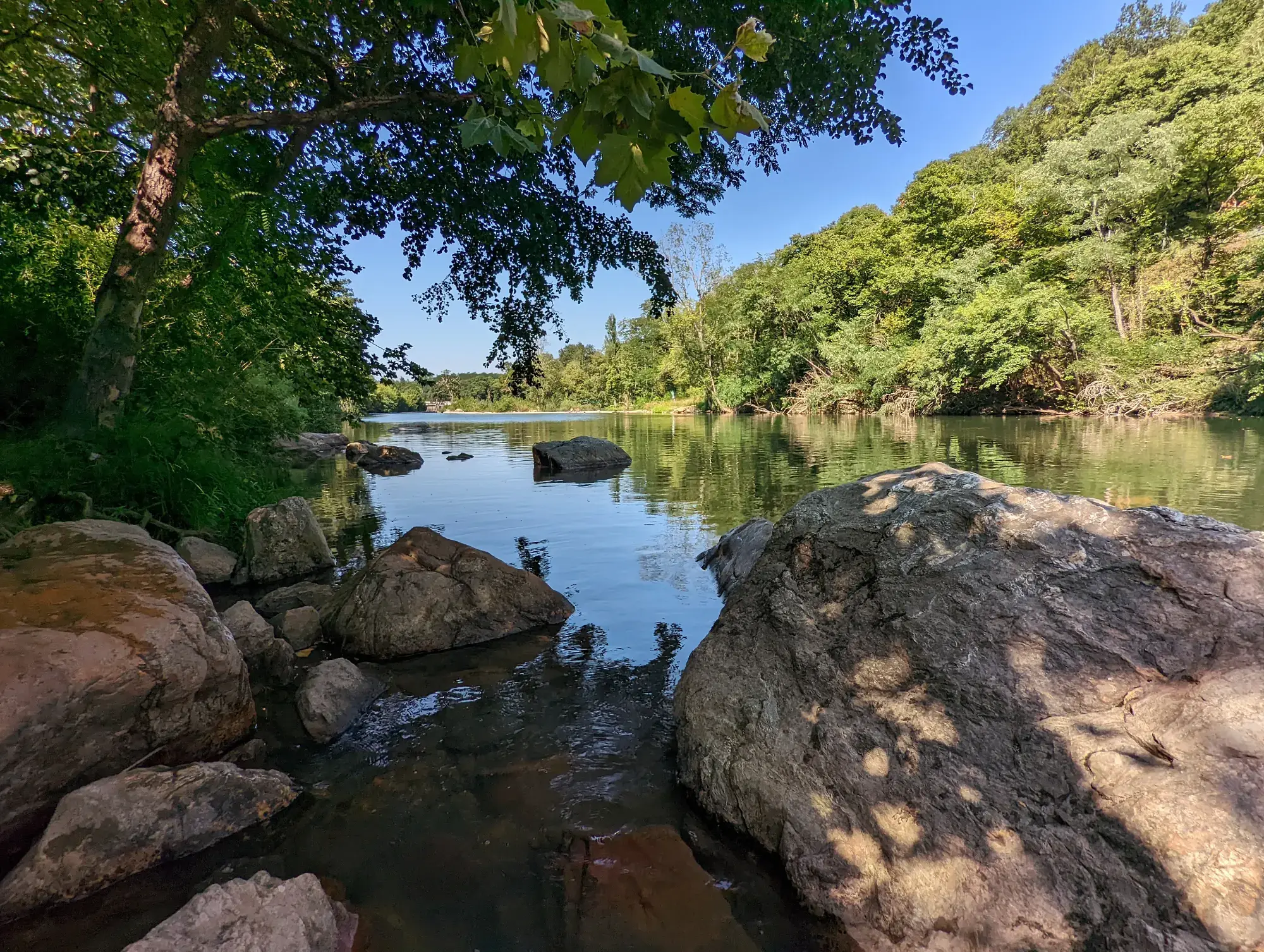
Errobi rises in the mountains of Navarre. It takes its final surge at Itsasu, crossing memories to rush toward the ocean. Like it, we have learned to sail, gathering the tributaries, welcoming the voices. We have learned that, like rivers, no culture exists alone, that no identity remains alive when it turns into a fortress. Setting out from Itsasu, we sail toward other shores, and return laden with stories, music, poems, faces. Each crossing enlarges our world a little, weaving its polyphonic archipelagos.
For thirty years, Errobiko Festibala has modestly attempted this: to invent a hospitable land where cultures do not close in but meet on equal footing, without any relation of domination or submission to the laws of the market. A place where songs are not ornaments but ways of inhabiting the world. A place where persecuted languages are not relics but living sources. A place where art is an integral part of life.
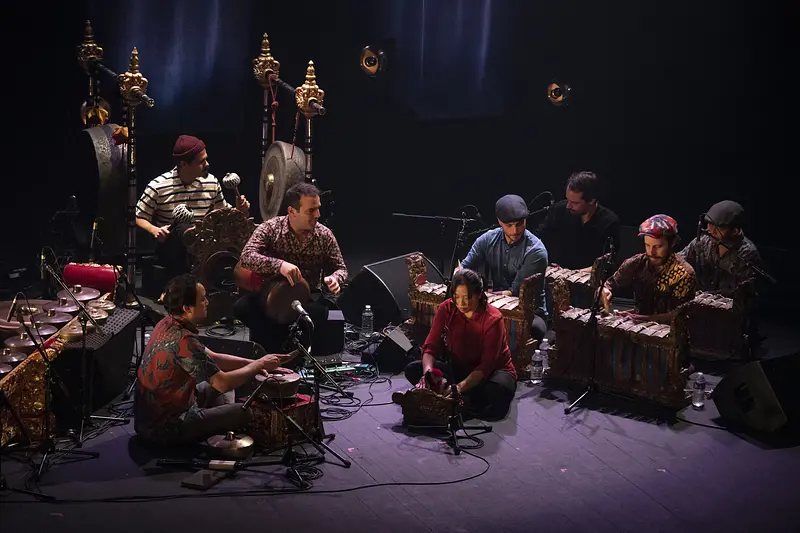
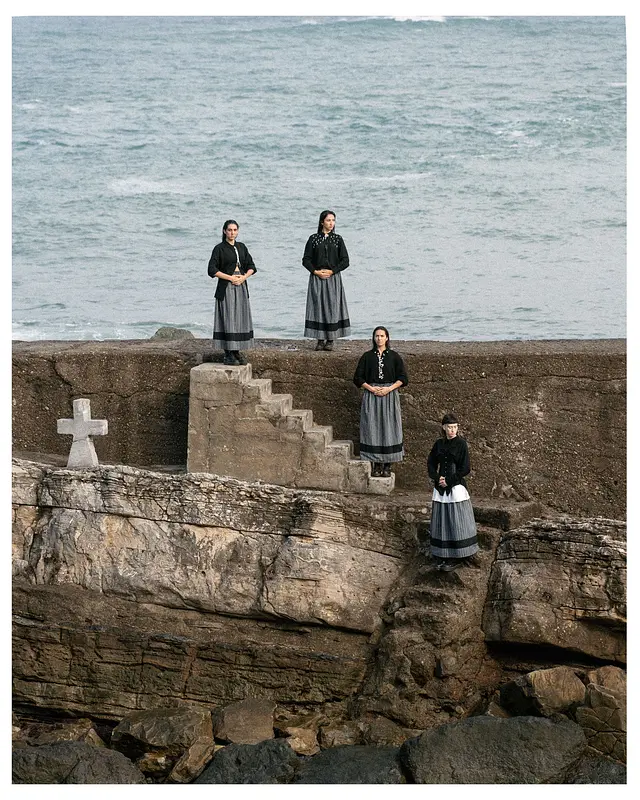
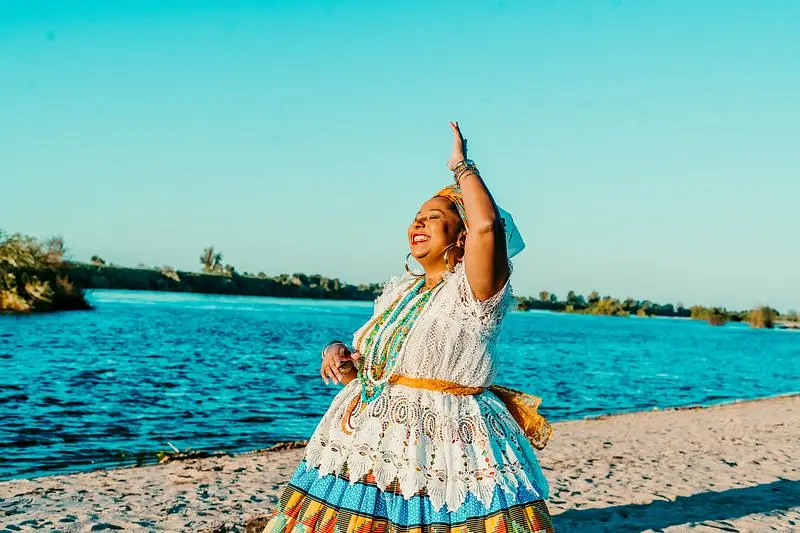
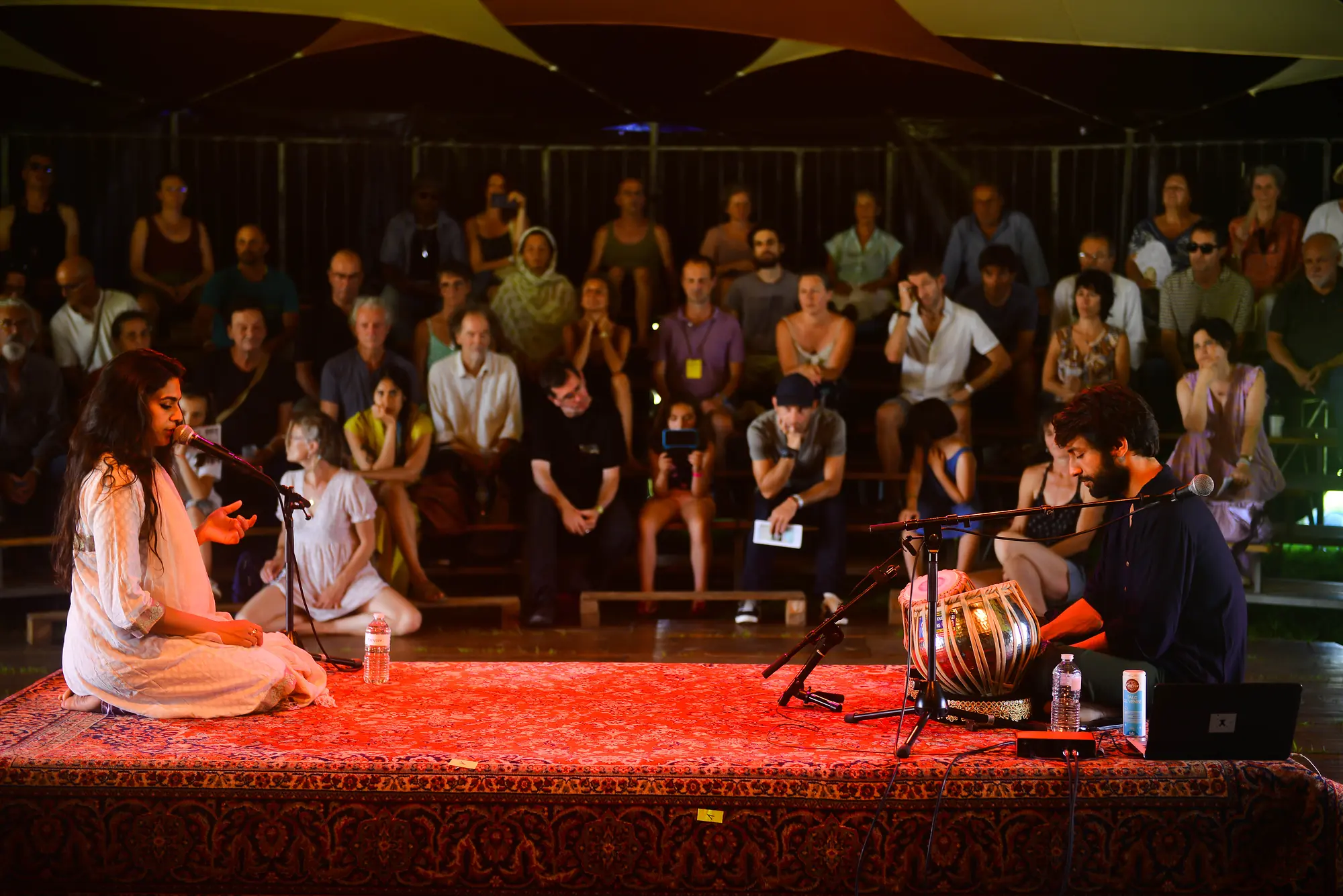
What a journey! The 30th edition will be one of sources and horizons, from the Basque mountains to the Creole shores, from Georgian polyphonies to Afro-Brazilian songs dedicated to Ochun, goddess of fresh waters.
We will return to those who created this adventure when, in the summer of 1996, it was but a dream, a murmur. We will summon the founding memories while listening to the questions that remain: why a “festival”? Do we still need it? Failing to change the world, can a festival become one? What horizons open for the thirty years to come?
These questions resonate with particular force today: everywhere the logics of domination, identity withdrawals, discriminations, the violence of war, colonization, the uniformization of cultures and the destruction of the living are advancing. In the face of this, we continue to affirm that a space of creation, of free thought and of sharing remains necessary.
“To resist is to create. To create is to resist.” — Stéphane Hessel
The arts may not transform the world on their own, but they transform our way of inhabiting it by freeing the imagination and creating love. We resist through song, through encounter.
And how many we have met! Poets, philosophers, dancers, musicians, dreamers and bearers. Women and men who carried within them a land, a language, a history, and who embodied them in Itsasu. Each of them transformed us. Among them, the encounter with Édouard Glissant offered us words to name what we had long been living: Relation. Creolization. The Archipelagos, that poetic geography where the beauty of worlds blooms as they transform through contact with one another without losing their singularity.
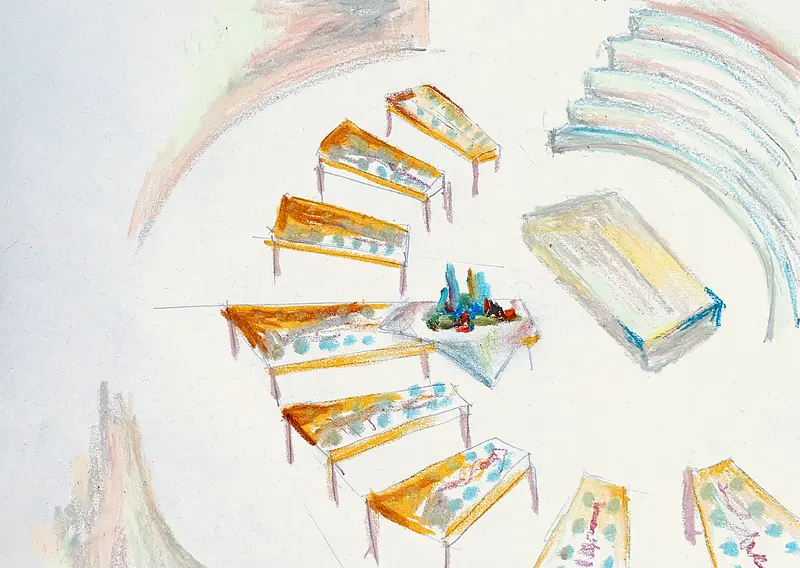
We certainly do not have all the answers to the questions we ask ourselves, but we have learned from our ancestors that something still resists when we talk beneath an oak. We have learned from the Georgians that love is born when we sing around a table. That is why we will cast off the moorings with a banquet, a “supra”, and we will sing! Tables set in the shape of a sun, like a vessel launched into the night: for the living and the absent, the ancestors and the children to come, for the languages that resist erasure, the songs that cross the centuries, the peoples who refuse to disappear. Then we “shall tremble to listen to the first ages” — Édouard Glissant.
To Maite, to Pedro! We will raise our glasses!
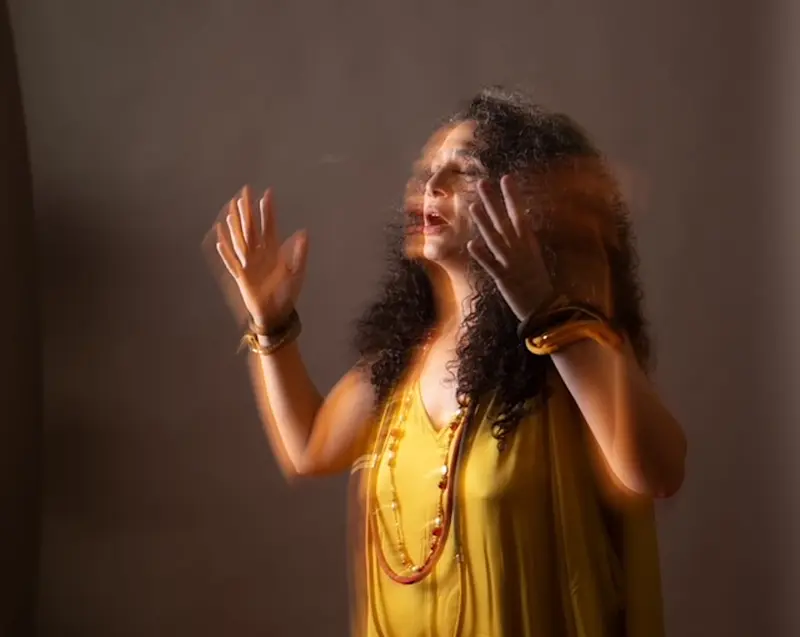
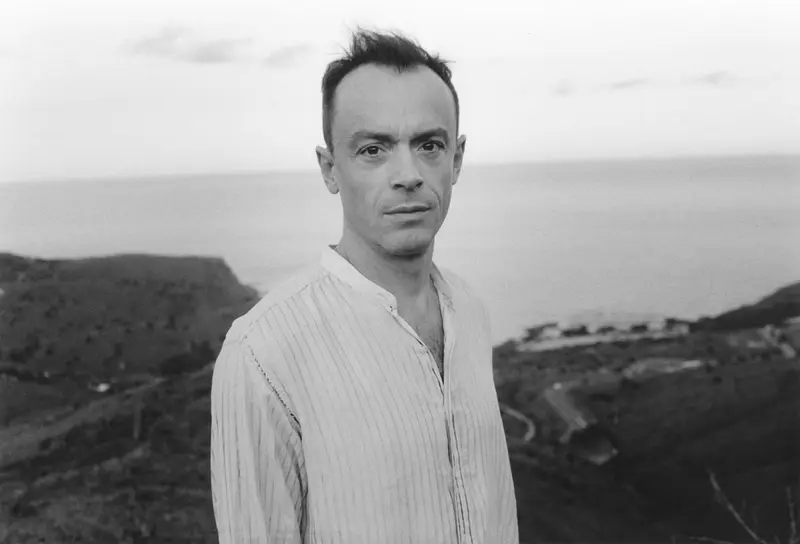
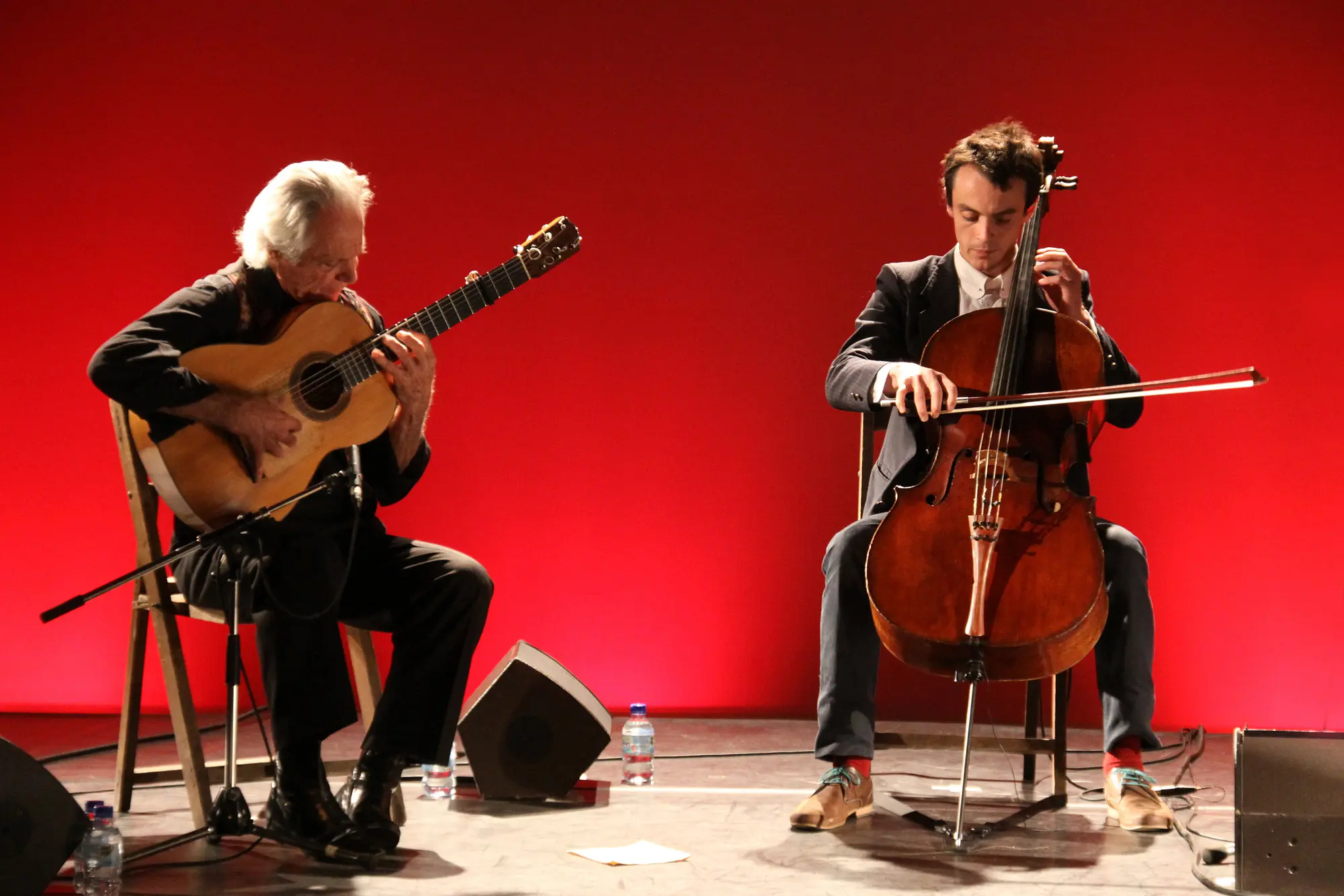
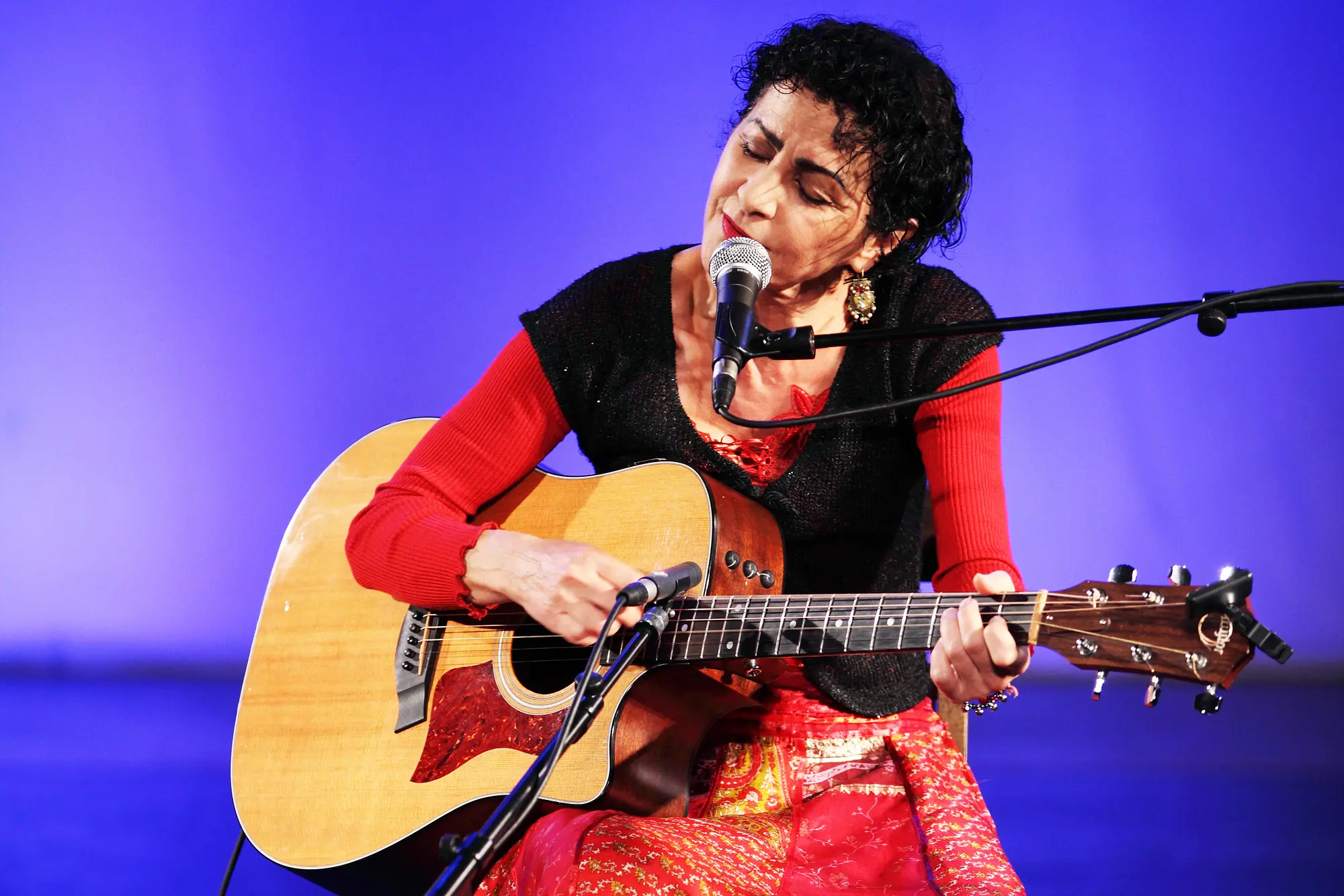
Some voices came from afar. Others were born here. Some have fallen silent. Many continue to accompany us in the breath of the trees that sing, rocked by Haize Hegoa, the south wind, in the roar of the river surging from the summits, in the sweetness of our childhood memories. We dedicate this very special edition to all those who built this house. To those who have left us, among them Maite Achiary-Etchemendy, whose artistic, feminist and humanist commitment continues to light our crossings. And to Pedro Soler, our lifelong friend, an immense musician with a sensitive heart and a mischievous spirit.
And for those who carry the adventure today, and those who will carry it tomorrow, we will Roar for the 30th time:
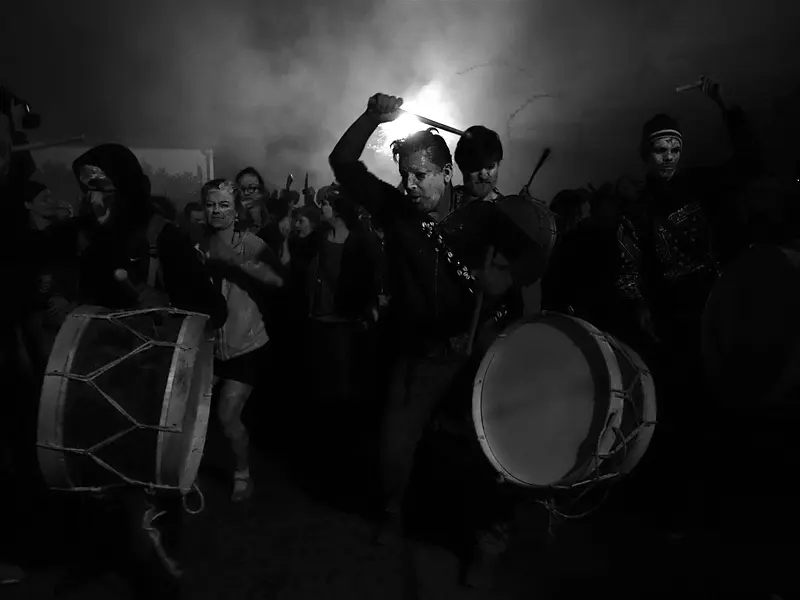
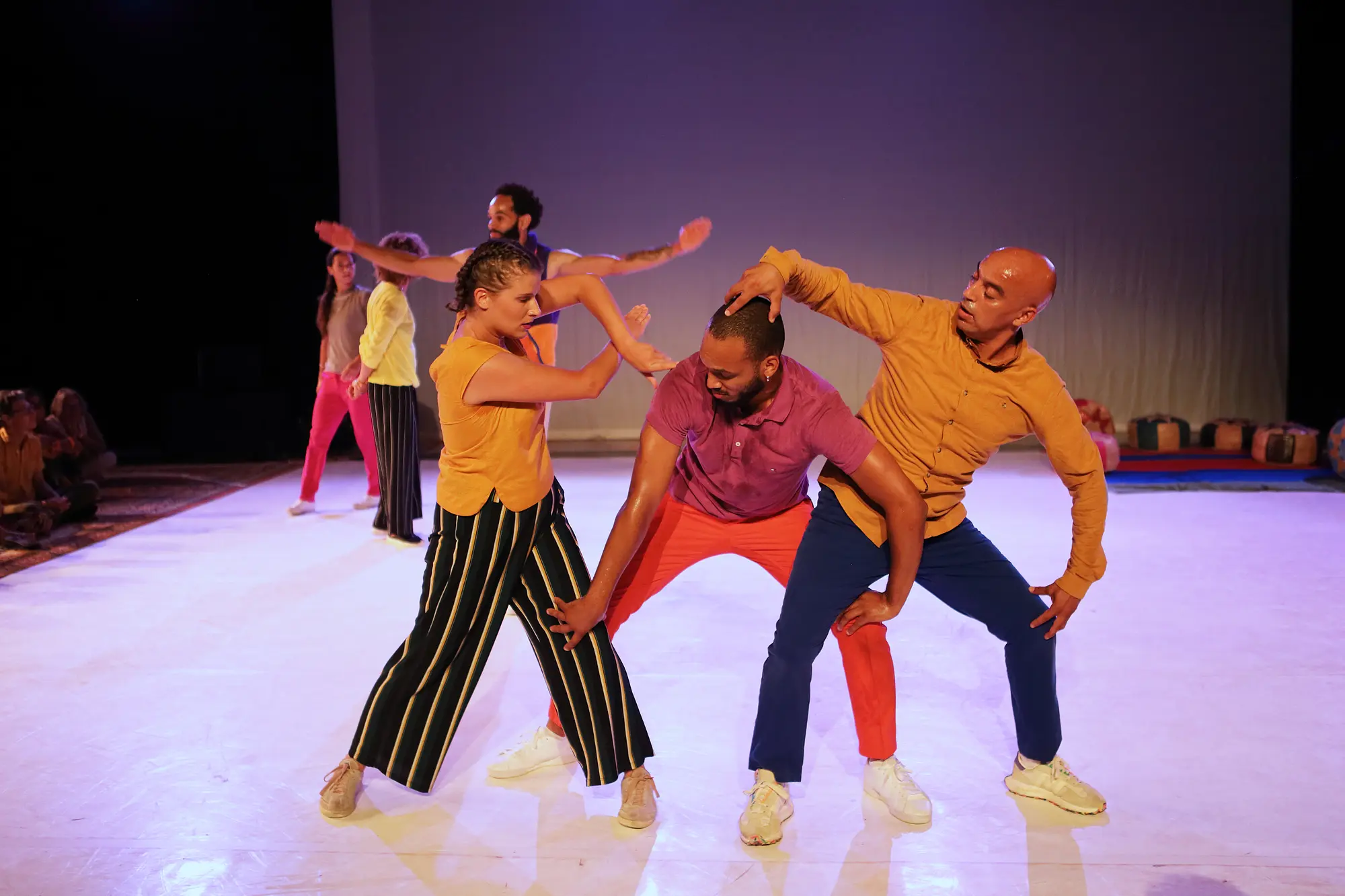
The drums of the Nordeste will rise from the red earth, the brass will hoist the sails toward the moon, the fires will open passages between worlds and bodies will dance around the mysterious caboclo de lança for this ancient, ever-new crossing: 30 years are not an achievement, they are a stage, a port of call in our voyage.
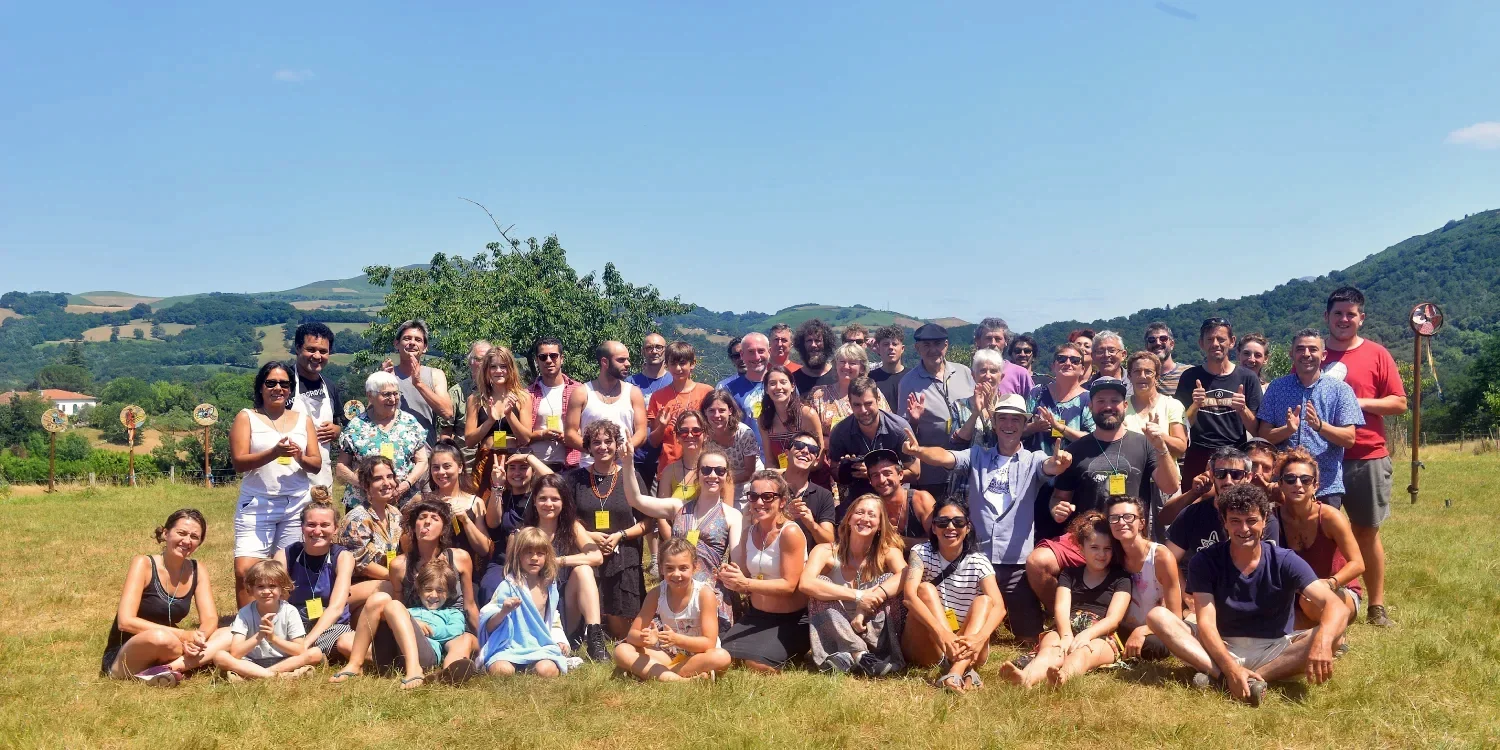
And if, at the end of these few days spent together, as the last embers rise toward the sky of Atharri, we lift our eyes one last time toward the stars and the vultures of Itsusi, perhaps we will glimpse what we have dreamed of for thirty years. A fragile constellation of voices linked together. Lit by the moon, a festival become a country, made of rivers and stars.
— Julen Achiary
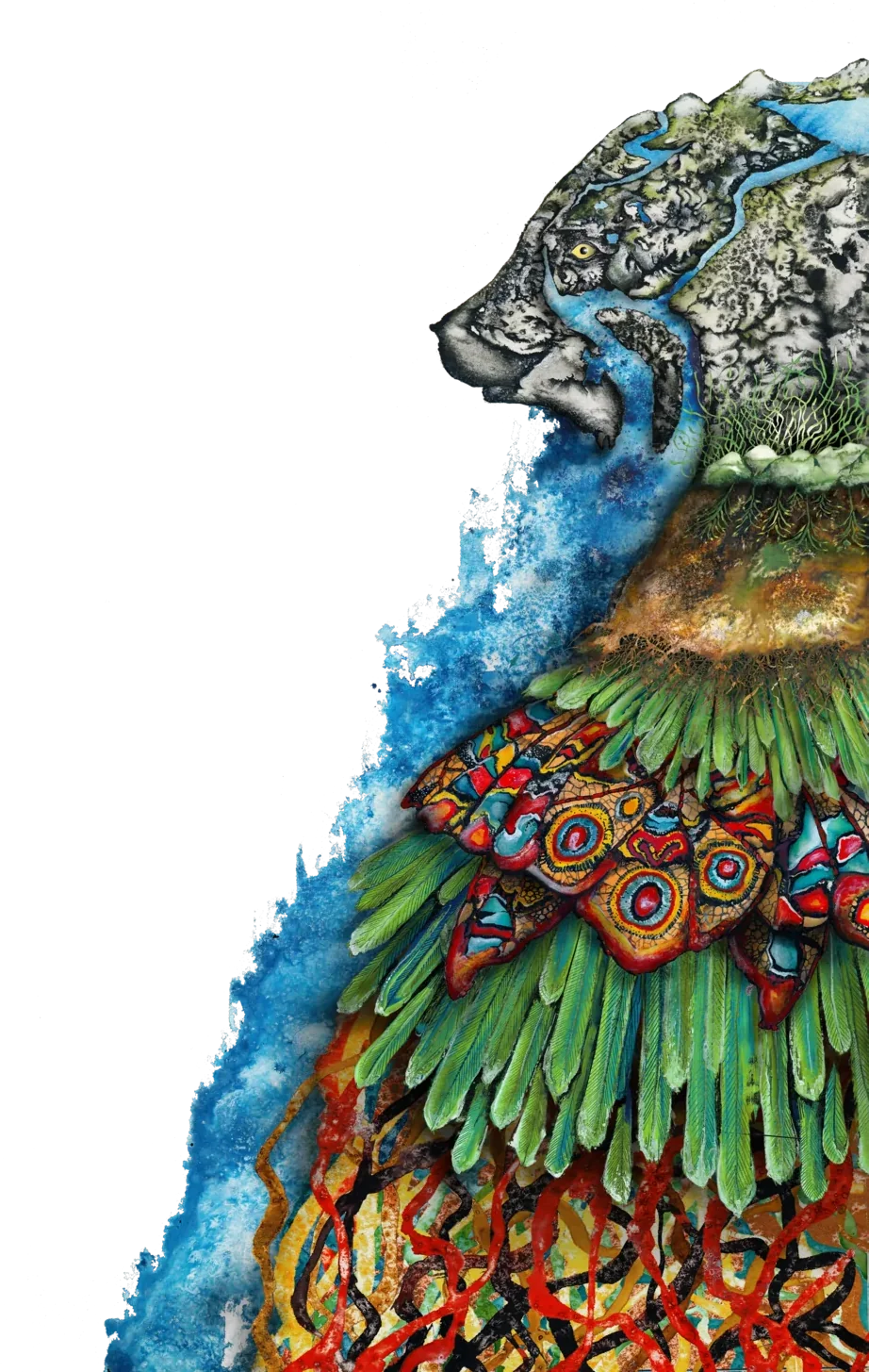
 © Amit Jung KC